
Tooting some horns: new type releases!

Self-promotion can feel somewhat gross but who doesn’t love touting the accomplishments of others? The past several months have seen a bevy of new typeface releases by many talented folks, but perhaps you haven’t heard about all of them yet? In no particular order, let the horn-tooting begin. Drumroll, please!
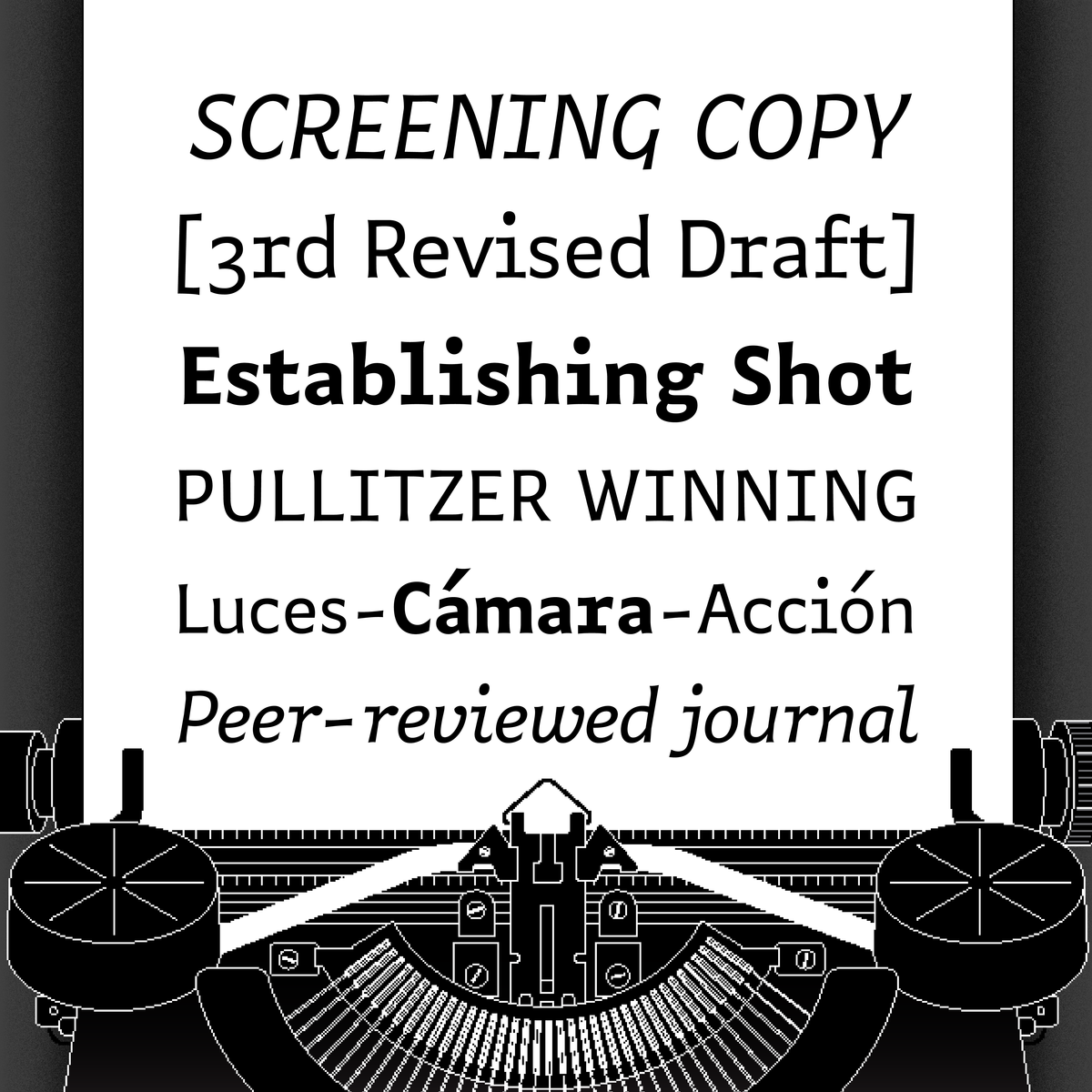
Pigeonette sample
Pigeonette (Future Fonts)
by Ro Hernández

Pigeonette “combines the sketchiness of handwriting with the open spacing and charmingly awkward proportions of typewriters in a not-quite-monospaced design with a comfortable reading texture.” Started as Hernández’s graduation project, it’s now getting its wings on Future Fonts. Throw it some bread while support for central European languages and Cyrillic is still in the works.
Continue reading

Give us some credit

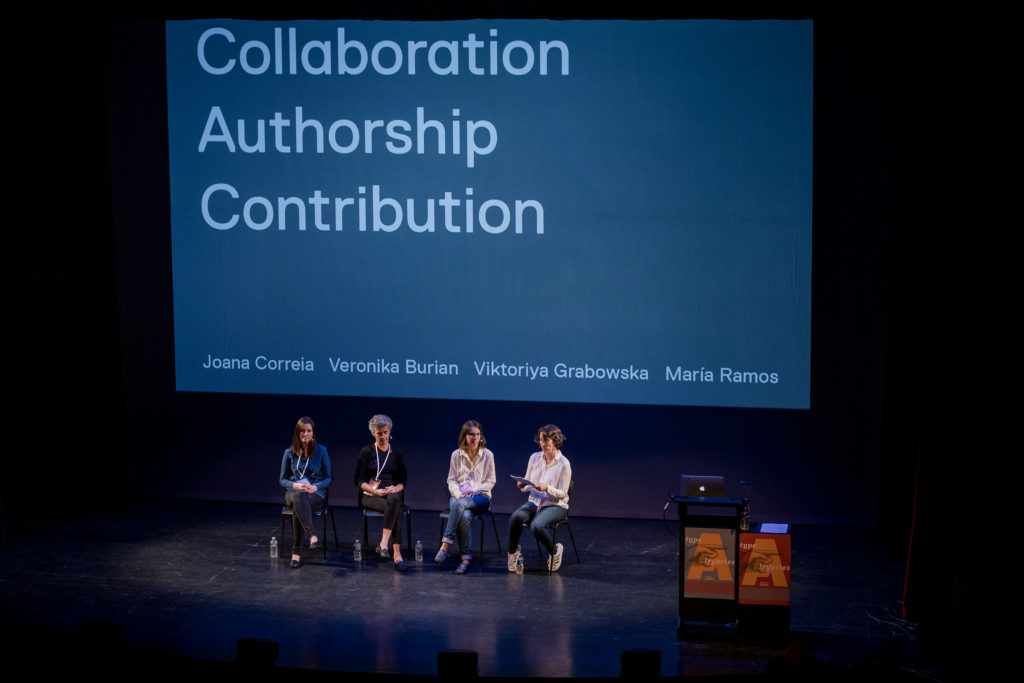
Photo credit: Michael Bundscherer

At the past AtypI held in Antwerp, I took part in the panel about Collaboration, Authorship and Contribution set up by Joana Correia with María Ramos Silva, Viktoriya Grabowska and myself. Since the authorship part seemed to have resonated most with the audience, I thought it might be useful to post this article about crediting in the type industry. It is based on a talk I gave together with José Scaglione at 2017’s ATypI in Montreal. We intended to suggest a thorough crediting system and open it up for discussion.

Continue reading

This post has no title and no real point but comments are open

Bless you, native English speaker. Your life is so easy. You don’t have to decide, reason, argue, or fight about many things other languages have to reason, argue, and fight about or for. No diacritics, no accents (unless creätively imported by intellectual pedants), no problems properly composing or displaying your language’s letters and glyphs on paper or screen. No inner struggle whether to duz or siez someone (informally or formally saying “you”, which implies complex conjugation, different grammar and spelling), nor whether you are in the right position or have the right age “to offer someone the Du” (to offer that from now on they can address you informally, usually sealed with a handshake or a kiss) and, oh yeh, how to address students?!

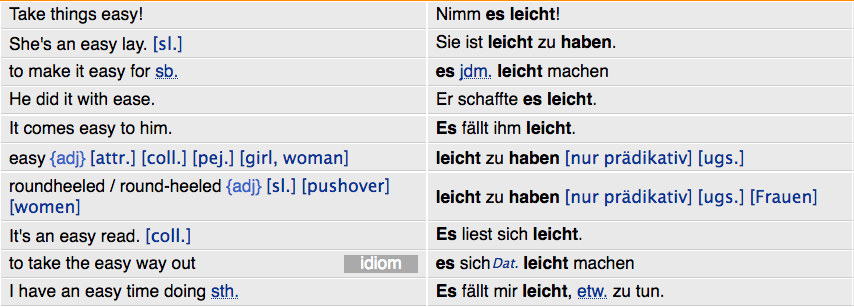
You do not have to heatedly debate on a national level and in national periodicals which version of gender-specific words should be used if they have male and female versions or which artificial compound neologism could be introduced now to solve the eternal debate of Kanzler oder Kanzlerin or KanzlerIn or Kanzler*in or Kanzler_in or Kanzler/-in. Du hast es leicht, you have it light … (WTF online-dictionary!)

This is me whining about German. What is weird in your language that other languages don’t have to worry about?