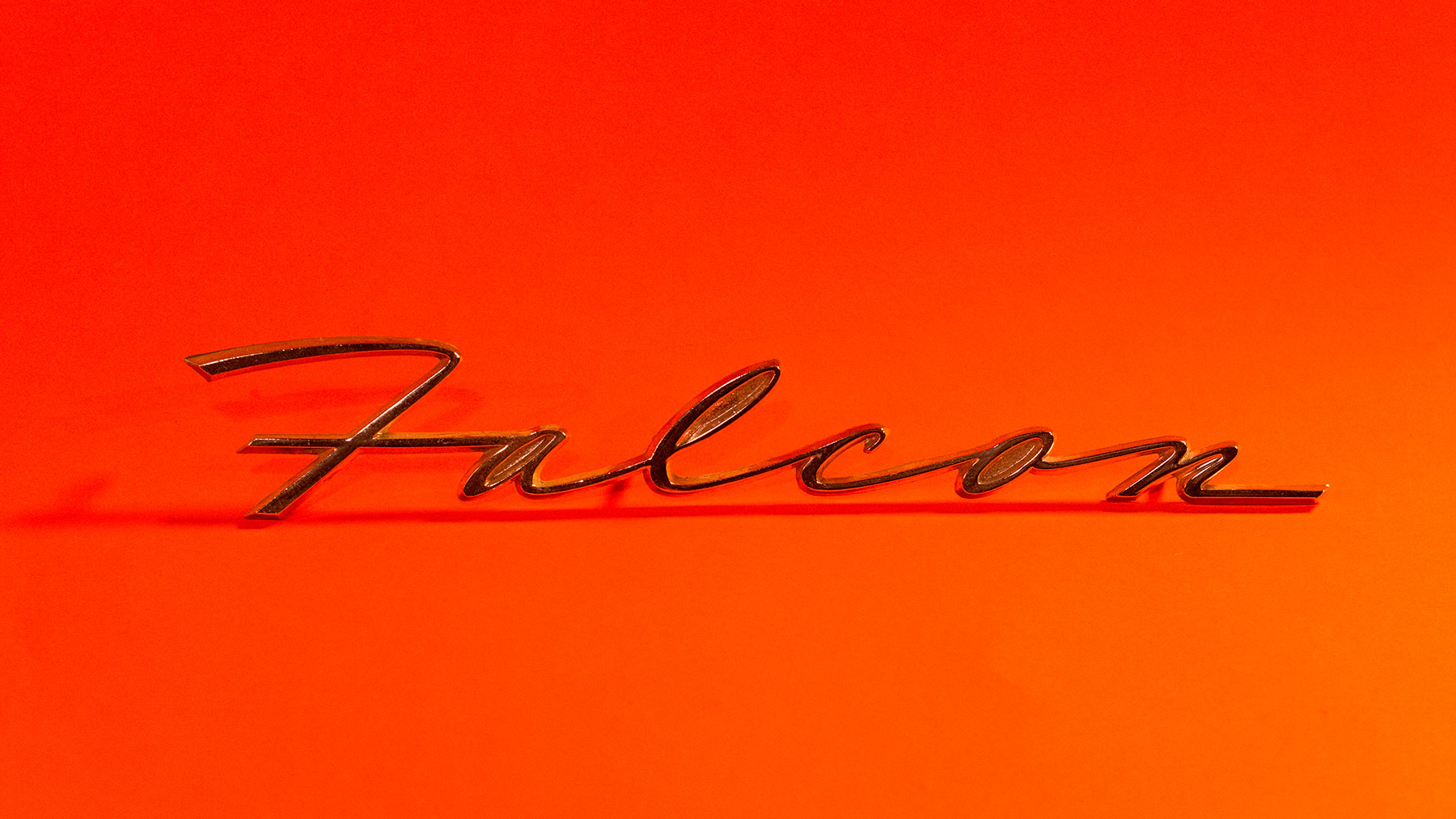
The infatuation for chrome, in my case, comes from an intense obsession with vintage letterforms mixed with the possibility of acquiring and collecting such pieces. Being the owner of these dimensional objects allows me to imagine the place they once belonged to: a vehicle that witnessed countless of stories, roads and panoramas.
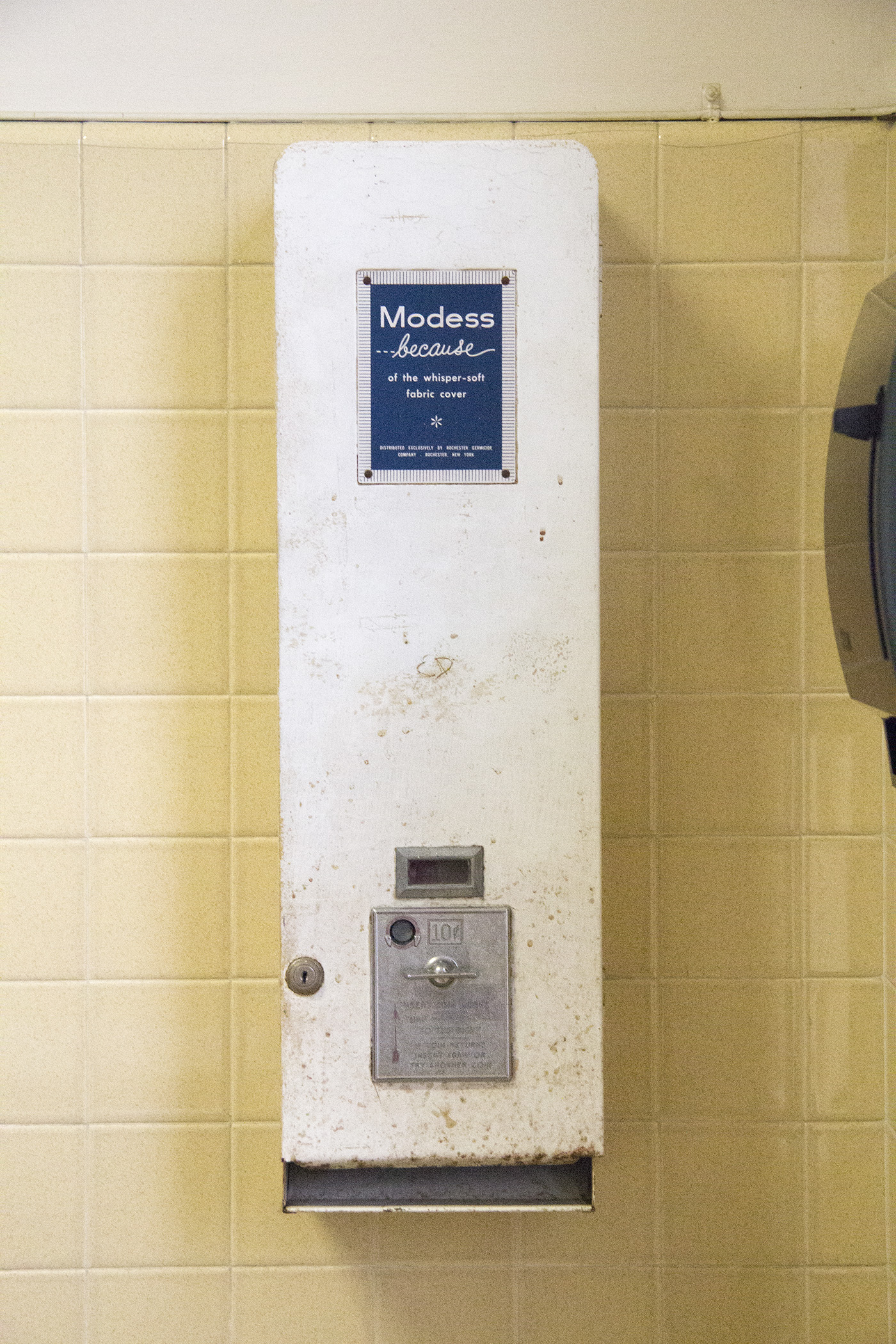
Amy Loves this 1960s Modess Sanitary Napkin Dispenser… Because
Built in 1953, the aptly named Old Library was the first free-standing library building on the campus where I teach. It eventually housed painting studios and since the late ’80s, has been home to the photography and graphic design programs. I love this space for all its mid-century collegial charm. The stately brick exterior is surrounded by mature honeylocust trees, while inside, built-in bookshelves from its past life flank the sides of computer labs and ample hallways. Soaring windows welcome an abundance of natural light and offer views of the grassy quad where students gather in good weather to play frisbee, sunbathe or strum ukeleles.
But perhaps my most favorite thing about the building is this original Modess sanitary napkin dispenser that lives in the 2nd floor women’s bathroom.
Continue readingPooja Loves Street Lettering in Bangalore
Even though I have lived in three different continents, the place that has felt most alien so far has been in my own country and is the one I live in currently—Bangalore. Before I moved to Bangalore, I had never acknowledged the comfort of being in a city where the all the street signs are in a familiar script, even if I could only half-understand them, or not understand them at all. Five years ago when I first moved here, I began picking up, what are still rudimentary, skills in reading Kannada from the brick-and-mortar yellow signs, like the one below, that announce names of streets and neighbourhoods across the city.
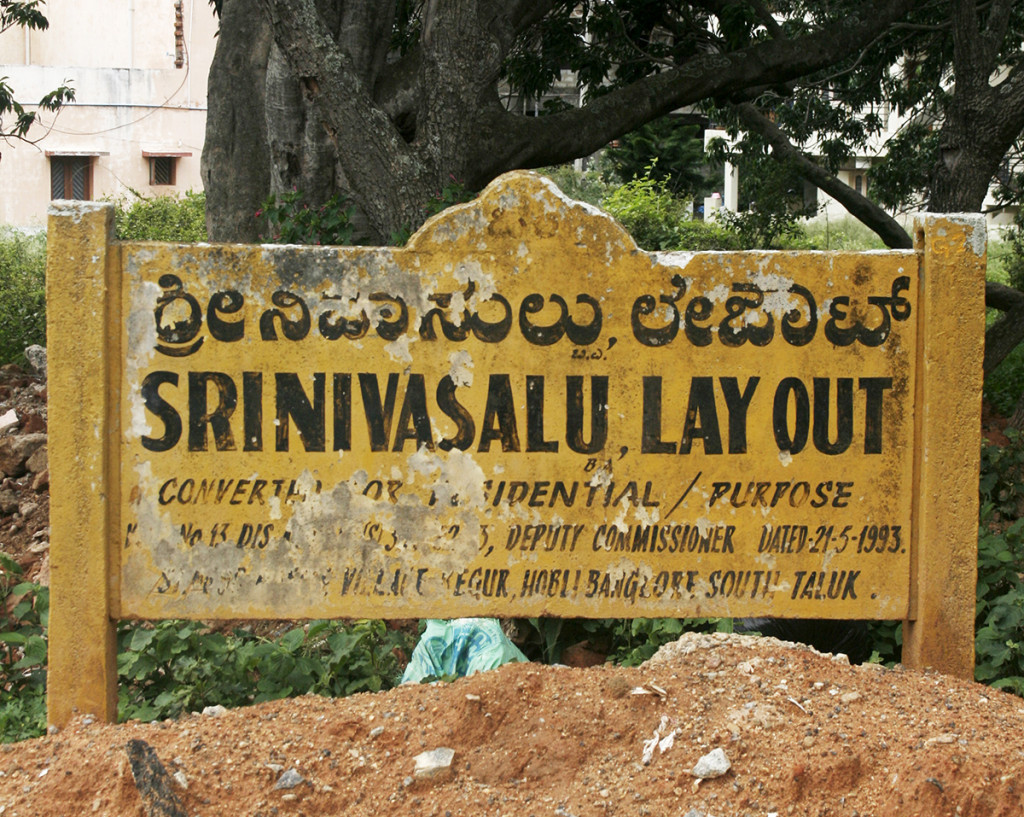
And before I knew it, I was sucked into spotting different styles of Kannada lettering that pepper the city.
Taylor Loves Interrobangs. Do You‽
What is the interrobang‽ It’s that weird thing! Wikipedia says it’s a “non-standard punctuation mark” used to “combine the functions of the question mark and the exclamation mark.” The Guardian describes it as “that inappropriate over-sharer we all know.” Brand New calls it “the hipster of punctuation marks.” It’s a lot of things, but most importantly it is a single girl’s bf(f). Join me and claim the interrobang as your bæ this V-day.
Interrobangs from sketchbook. Contributions by Jessica Griscti & Cody Pumper.
Bianca Loves Paperbacks
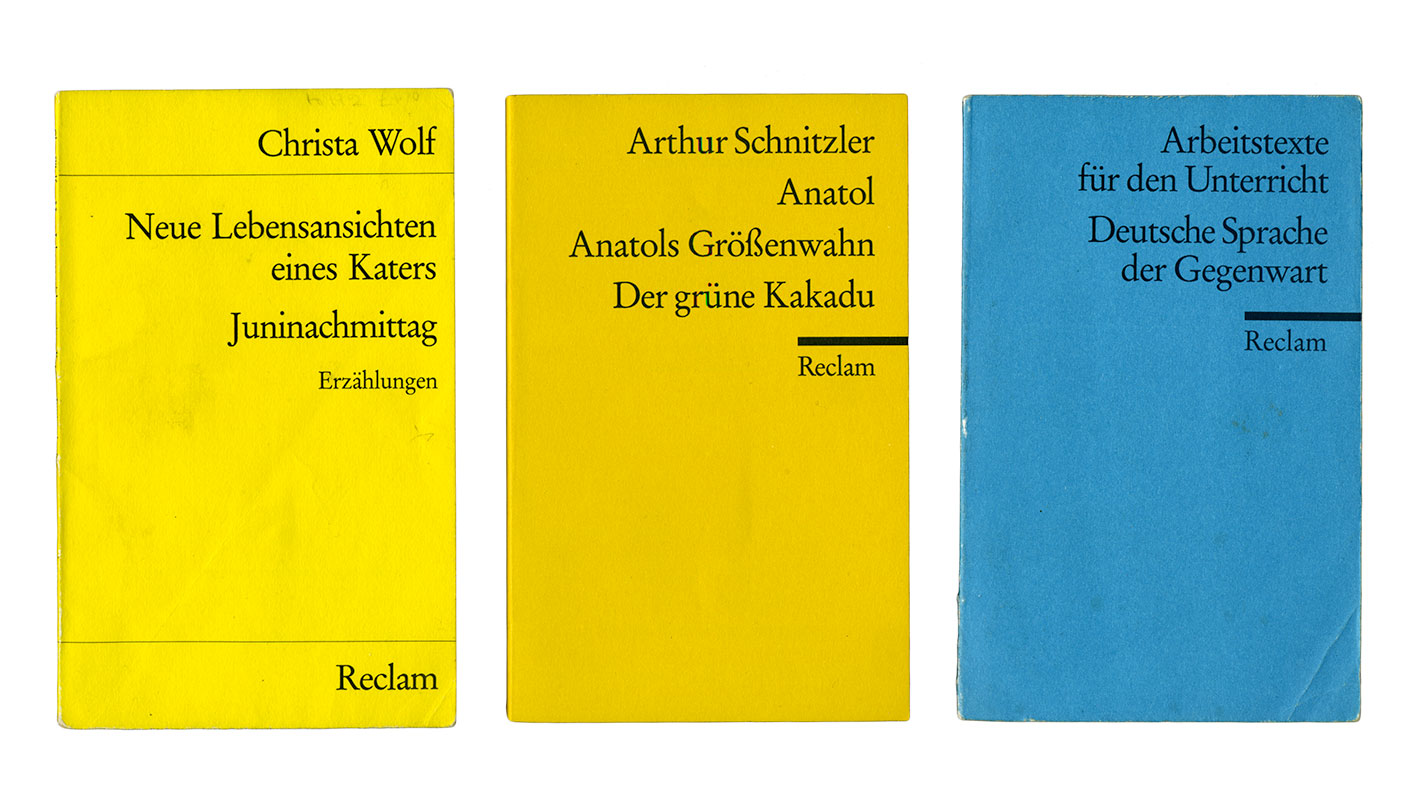
I grew up in Germany so I know my Reclam books intimately. In German literature class we spent months diligently analysing every sentence of Mann’s or Remarque’s novels. The books were severely worn by the time we were finished with them. Those almost empty covers really just asked to be doodled on, their spines were torn, and the dog-eared pages were covered in ink and chocolate stains. But Reclam’s design withstood all abuse; the format, material and the (now) iconic yellow covers will always reveal their true identity. That is why I love paperbacks.
Indra Loves Buttermann
This is the first in a series of letter love Love Letters where we’re showing a piece of letter-related ephemera we love.

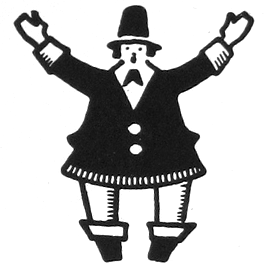
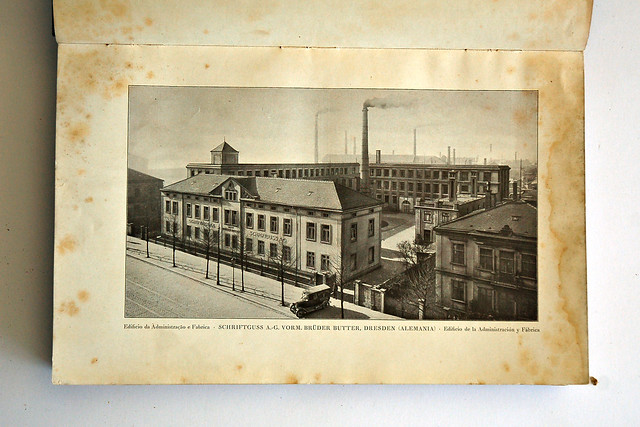
I love Buttermann (butter man), the logo/mascot of the Dresden Brüder Butter type foundry (later Schriftguss A.-G.) from the 1920s. It is so joyful and affable like no other logo today, at least not in any type related business. Buttermann cheers to you from specimen books, merchandise coins, or hurries through poster type with a spoon of lead in his hand.
Schriftguss AG vorm. Brüder Butter
The Brüder Butter / Schriftguss AG type foundry in Dresden, Germany was one of the most interesting and multifaceted ones in Europe in the 1920s — yet almost no one has ever heard of them.

The Dresden site of the Butters in Großenhainer Straße, where today, some of Eckehart SchumacherGebler’s extensive type collection is stored. Next door, in the former Typoart building, is now his Monotype typesetting and print shop. Photo by Romesh Naik. (Incidentally, I am right here for a week of workshops currently.)
Bely by Roxane Gataud
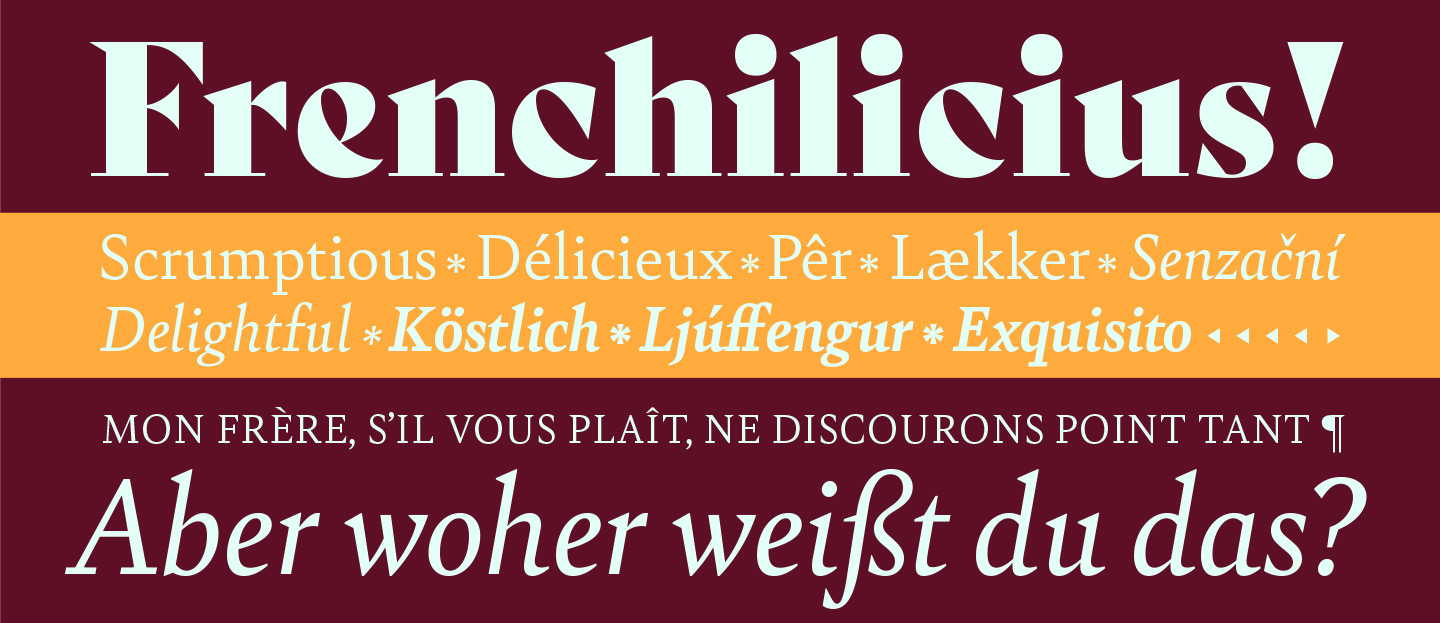
Bely is the first release by french type designer Roxane Gataud. Selected in 2014 for TypeTogether’s Typeface Publishing Incentive Program, it came out this week with a really strong voice. Described as having “both restraint and freedom throughout the text weights and into the unique display weight.” The family is nothing but striking.