Congrats, But …

Two little tweets in an ocean of tweets. What harm can they do, especially when their message feels overwhelmingly positive?

Last week, Indian Type Foundry (ITF) sent out the following tweet in reaction to this showcase of type designers who also happen to be women:

Continue reading

Lifelines & Bright Lights — Talking With Nina Stössinger

In our last interview, Sol chose Nina Stössinger to be the next interviewee. The research and work that is done in the background for this series is truly joyful. But, it’s impossible to compress ​everything I have learned about each interviewee into five questions. I am trying to show a glimpse of the many things each inspiring lady is doing and thinking, and in Nina’s case it was a huge challenge.

The timing of publishing this works perfectly with the week’s events, and Nina herself fits well into conference discussions and talks. When I first met Nina, it was a one-way meeting. I was watching her give a talk at Ampersand conference, and despite the disappointing gender ratio of speakers, I was thrilled to hear another great female speaker. I had much to ask, and her precise answers will surely leave you wanting to read more. So get yourself a sweet or savory treat, preferably of a kind that you can refill your bowl with, and read on:
Continue reading

Language as Design Criteria? Part III

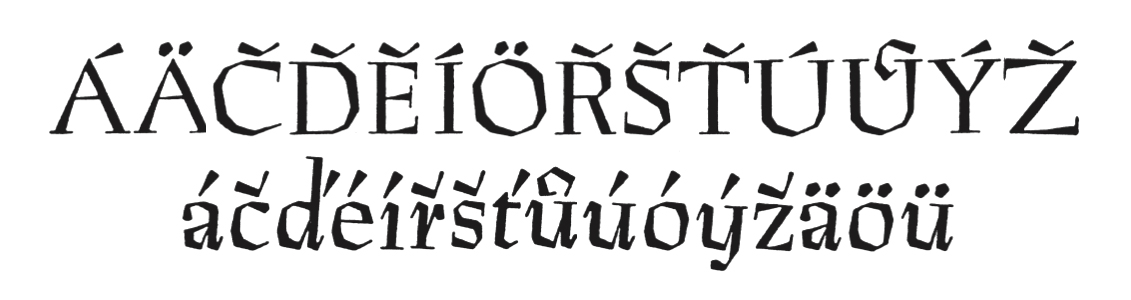
During the research for my dissertation, Language-specific type design, I came across some inventive ways to deal with a language’s idiosyncrasies. Excessive use of diacritics and the resulting jaggedness of written language is one of the challenges typeface designers face frequently. This is a small selection of ways designers tried to master it for some of the Slavic languages in the past.

Preissig Antikva, Vojtěch Preissig, 1924

Preissig Antikva, Vojtěch Preissig, 1924

Continue reading

Knile, a Contemporary Slab

It seems slab serif typefaces are taking over the market. In 1990, PMN Caecilia proved that it was possible create a slab with a more humanistic approach, a style that could work, not only as a display typeface, but for running text as well. In the last decade the diversity in slab designs has grown. The constructed shapes of the serifs adapt to the pixel grid, and they usually work well on screen. We have many different options for slab text typefaces. Some, like Ernestine, include several scripts, while others, like the recently released Equitan, are a part of large families. The rather squarish appearance of classic Egyptians, coexist today with more rounded lettershapes in new slab designs.

Knile is a newborn within the genre. It is a collaborative project with the Spanish design studio Atipo. The original idea was to create a slab counterpart for the existing typeface family Geomanist. Slab serifs are not just sans with added terminals; they have intrinsic design peculiarities. As far as we wanted the typeface to be functional as a text typeface, many changes were necessary and the design evolved into a typeface family with its own personality.
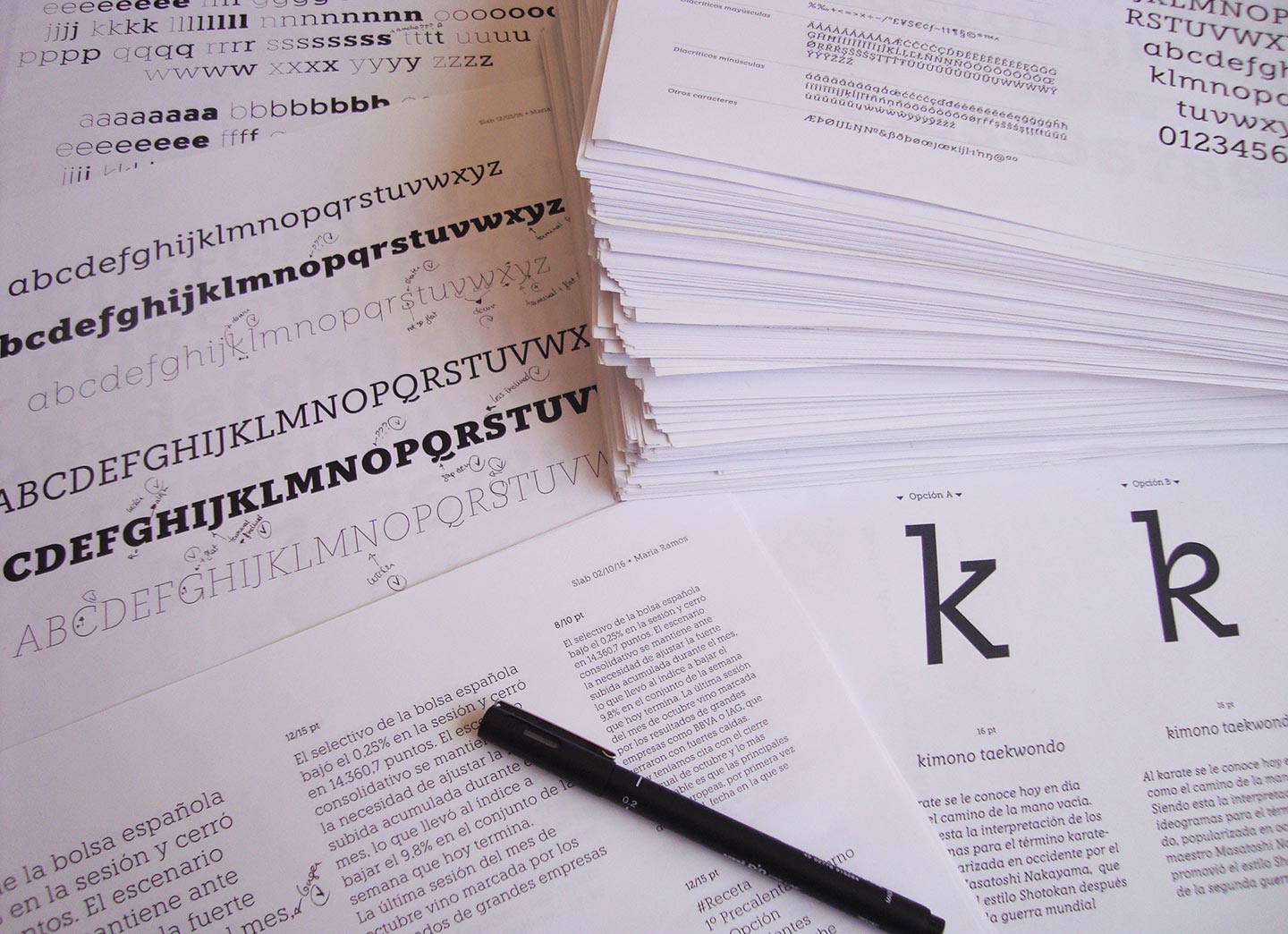
Printing tests made during the design process

Printing tests made during the design process

Continue reading

Design of a Handwritten Devanagari Typeface

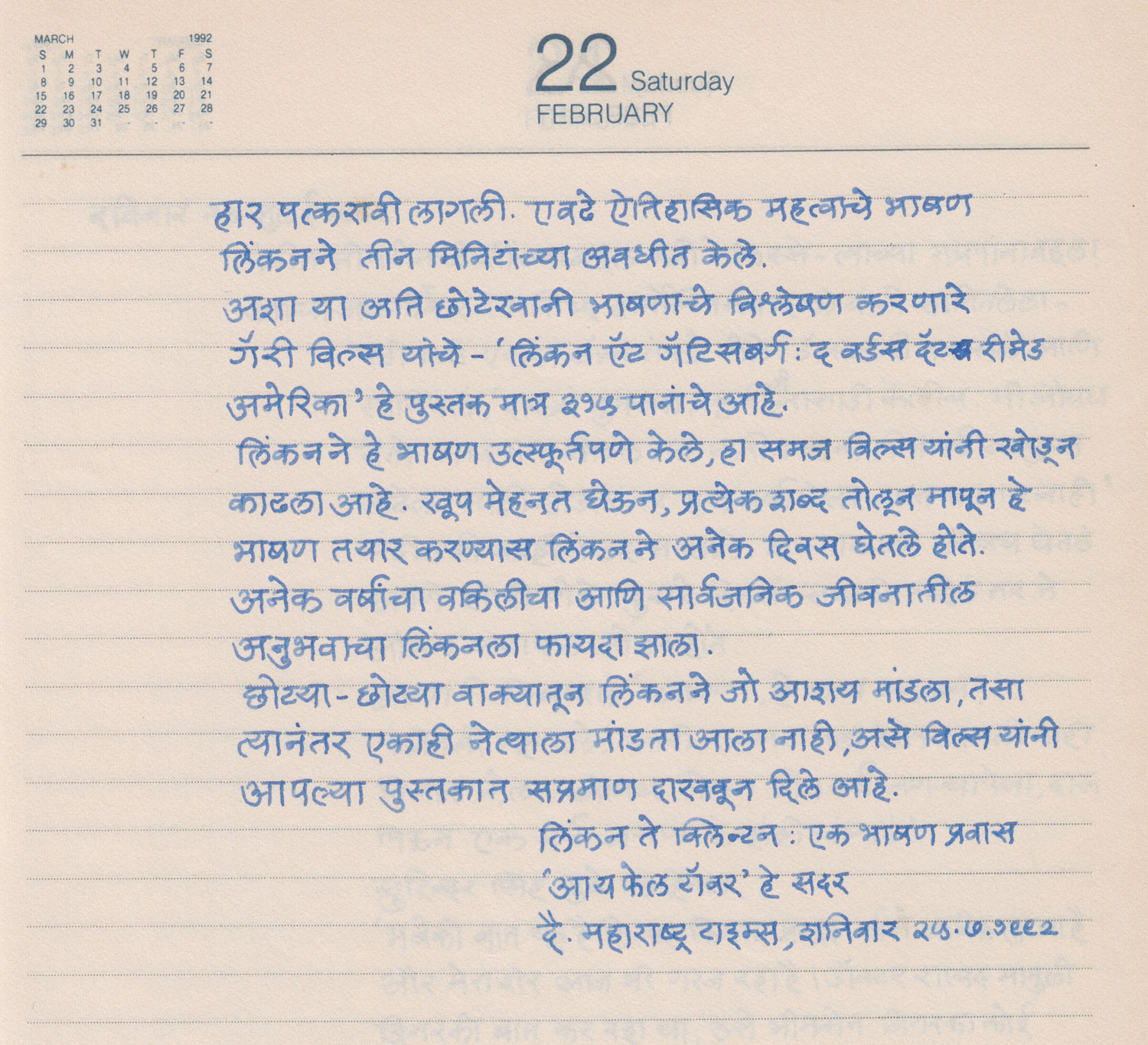
Mr. Sharad Deshpande has been a prolific copywriter for 50 years and an intrinsic part of Setu Advertising, Pune. Mr. Deshpande maintained many diaries documenting his writings and what made them extra special was his beautiful, neat handwriting. It was when he suffered a mild paralysis attack, that he lost the ability to write, a couple years back. It was disheartening for a copywriter who was so proud of his writing, to not be able to continue doing what he loved so much. But his sons decided to gift their father something very unique on his 76th birthday – his handwriting. His son, Rugwed saw great potential in converting his fathers handwriting into a font and approached me with this project proposal. This gesture was extremely overwhelming and it’s been a humbling experience to be a part of this project.

scan_handwriting
Scan of the handwriting from Mr. Deshpande’s diary.

Continue reading

Some Open Thoughts About OpenType

Typeface designers frequently seem to assume the more OT features their fonts have the better. Typeface users, on the other side, don’t always share this delight. They are often stressed by the complexity, don’t get any sense out of them or just ignore the features. Since I am both a designer and a user of typefaces I tend to sway from one position to the other.

In my work, where I am involved with script typeface design, OpenType features and coding play a very big role. I would say that a natural looking contemporary script typeface is not imaginable without an extended OT feature code.

Continue reading

Language as Design Criteria? Part II

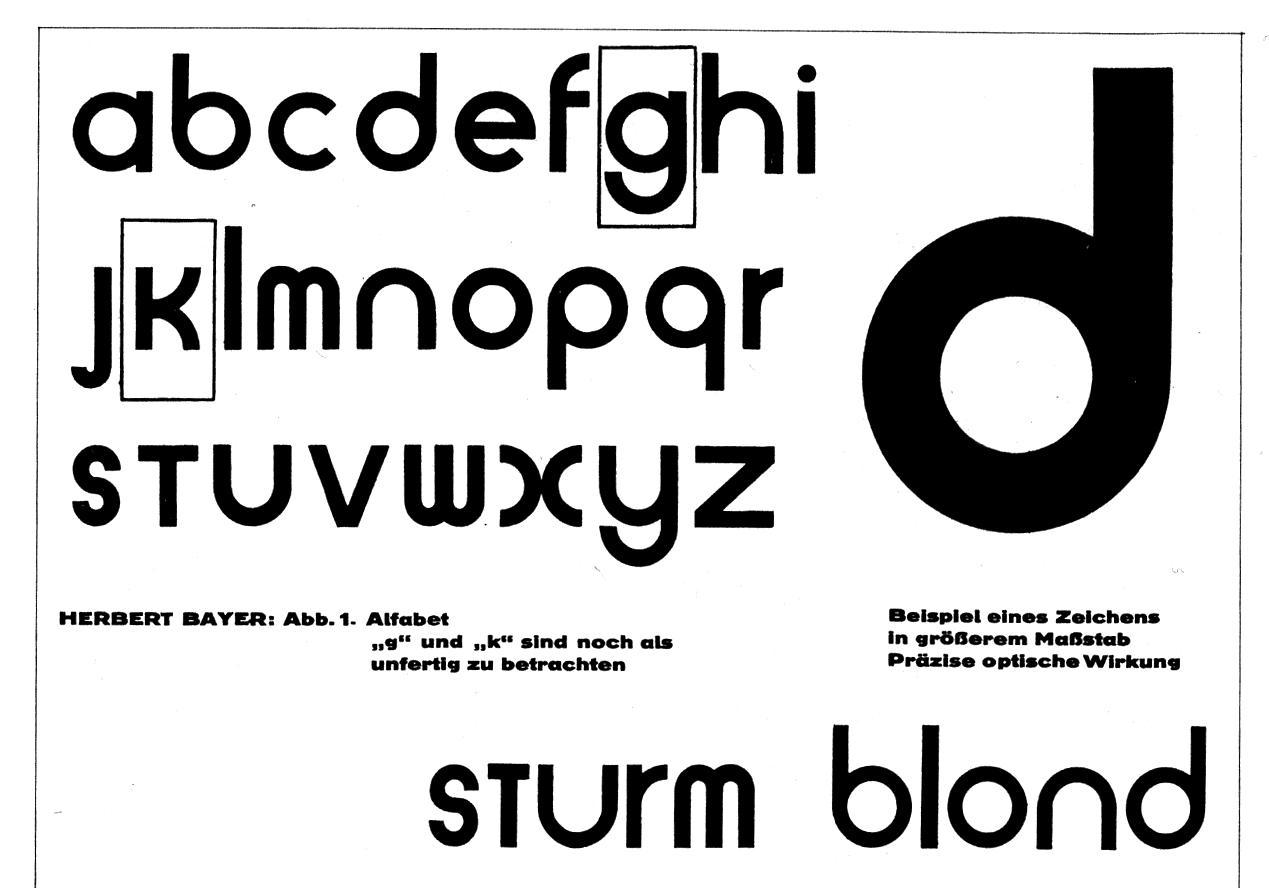
The lack of aesthetic compatibility between Latin uppercase and lowercase letters has long been a topic for discussion among type designers. The mismatch is particularly apparent in written German in which the first letter of all nouns is capitalised (see Part I for more background). In the 1920s and 1930s, experimental proposals to harmonise German were put forward. Attempts ranged from reformations of spelling and grammar, to designs for universal alphabets which tried to connect the various languages of the Latin writing system. This is a very brief introduction to some of those ideas.

Bayer’s proposal for a universal alphabet

Herbert Bayer’s proposal for a universal alphabet, published in Offset, no. 7 (1926)

Continue reading

Before They Were ’bettes

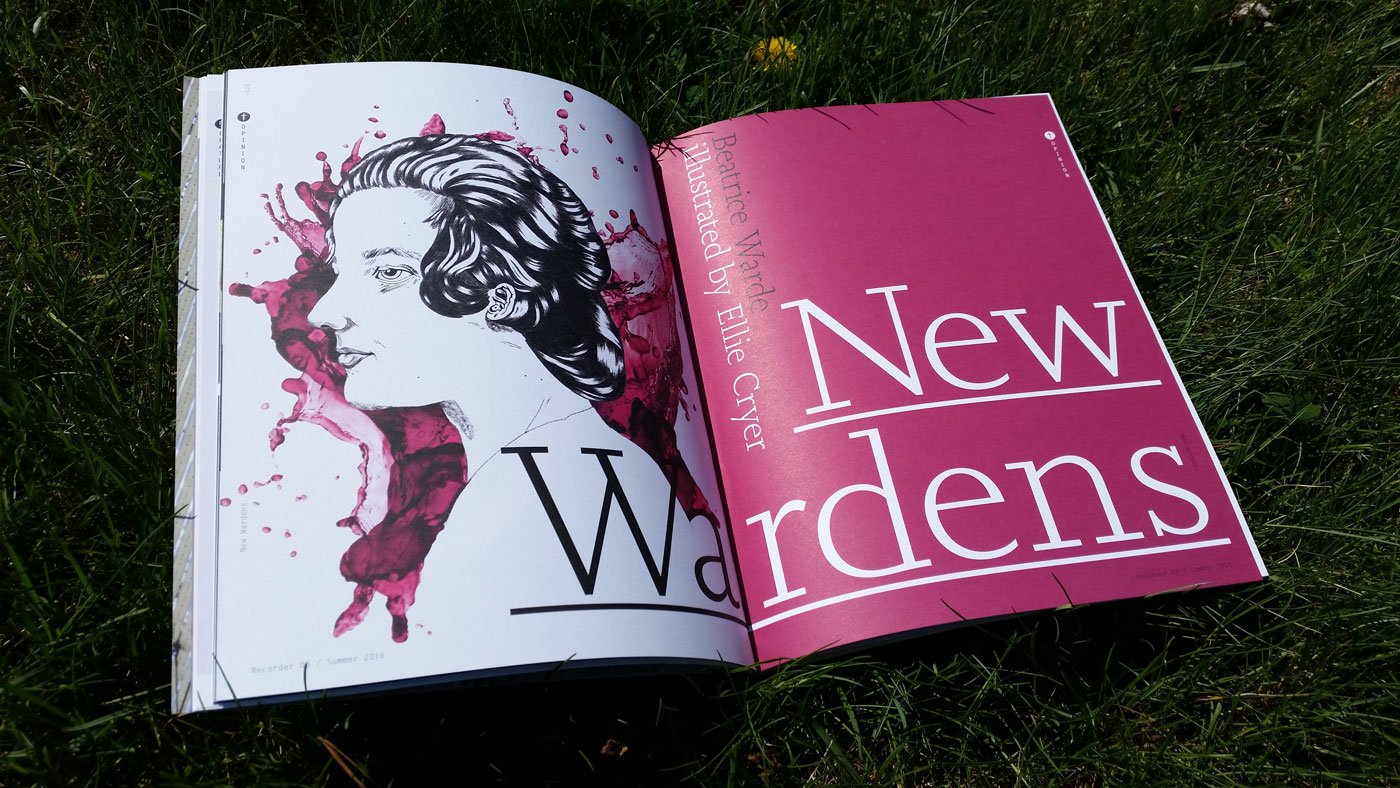
Cover spread in of “The New Wardens” in The Recorder #3. Illustration by Ellie Cryer. Additional illustrations by Ping Zhu, Ellie Foreman-Peck, Maya Stepien and Kelsey Dake.

Cover spread of “The New Wardens” in The Recorder #3. Illustration by Ellie Cryer. Additional illustrations by Ping Zhu, Ellie Foreman-Peck, Maya Stepien and Kelsey Dake.

Last spring, I was approached by Emma Tucker, the editor of Monotype’s recently revived magazine The Recorder, to write an article about women’s contributions in type for the upcoming issue. I pitched a series of interviews with women who were championing type and typography à la Beatrice Warde, given her deep connections to the original publication. Besides Shelley Gruendler, I had no prior personal contact with Indra Kupferschmid, Mariko Tagaki or Elizabeth Carey-Smith. Selecting only a handful of modern-day Beatrices was challenging; my list of potential interviewees was quite long. Ultimately, I tried to gather a variety of perspectives that included educators, practicing designers, and those active in contemporary discourse. I could have never imagined, only a few months later, they would all become an integral part of this thing called Alphabettes. Before it sells out, check out The Recorder Issue 3, featuring a host of engaging articles and contributors, as well as my interviews with “The New Wardens”. They’re in great company.